


2021年04月28日
2021 年,臺灣遭逢了 50 年來最嚴峻的旱象,全台陷入所謂的「苦水期」。對於依賴雲霧與降雨滋養的高山茶園而言,這不只是一場產量的減產危機,更是茶樹生存的終極考驗。在烈日持續曝曬且缺乏雨水的極端氣候下,多數茶區的產量銳減,茶芽因缺水而瘦小、苦澀。
然而,氣候雖然無情,端茶對於「品質」的堅持卻未曾動搖。我們深知,極端氣候將是未來百年的常態,唯有主動守護,才能在乾涸中留住高山茶的靈氣。
面對缺水逆境,端茶展現了品牌最硬頸的技術底蘊。為了不讓茶樹在乾旱中受苦,我們不惜投入鉅資,在陡峭的高山茶園中佈置精密的自動灑水與微霧設施。我們深入山腹,尋找並導引珍貴的高山泉水,將其化作點點甘霖,確保每一株茶樹在最焦渴的時刻,依然能維持健康且漂亮的姿態。
這份投入,是為了在極端氣候中「穩定」茶湯的底韻。我們守護的不只是茶芽,更是一份對茶友的承諾:無論外界環境如何變遷,端茶的茶湯依然要滑軟甘醇。
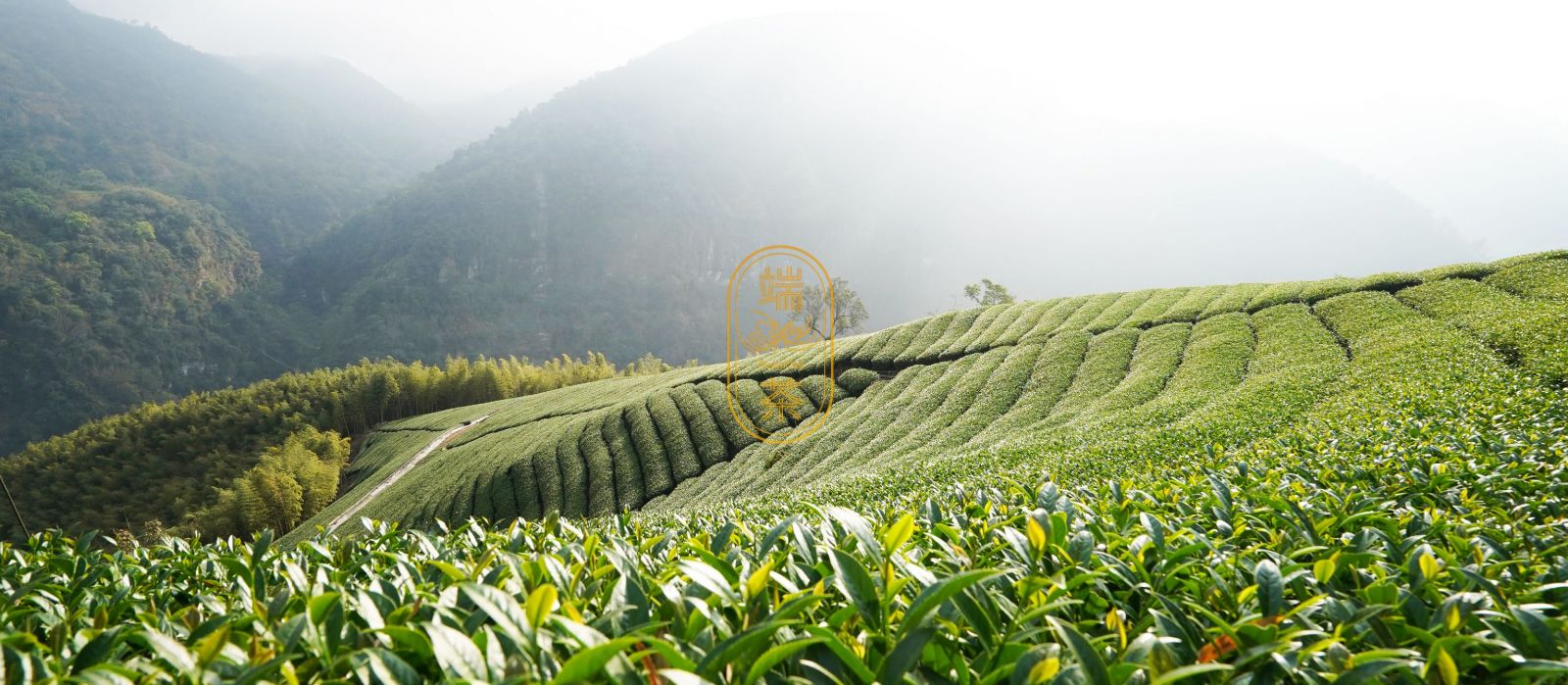
除了人為的守護,端茶茶園得天獨厚的地理位置,在乾旱中成了最後的堡壘。午後的山霧總會準時而至,緩緩籠罩山頭。這份早霧與午霧所帶來的濕潤水氣,穿過了周遭的竹林與原始杉林,吸納了森林中的芬多精與自然氣息。
茶樹在霧氣的溫柔包裹中雨露均霑,將那份清幽的況味封存在葉脈之中。這種在極端乾旱中依然能「別具滋味」的高山茶,不僅是端茶工藝與設備的成果,更是我們學會與山林共生後的自然饋贈。
In 2021, Taiwan entered what locals came to call the “bitter water period.”
It was the most severe drought the island had faced in fifty years.
Reservoirs receded. Rivers slowed. Across the island, water rationing became routine. For Taiwan’s high mountain tea gardens—ecosystems built on mist, rainfall, and narrow climatic margins—the drought was not merely a disruption of yield. It was a test of survival.
Tea plants, adapted to cool temperatures and consistent moisture, responded quickly to stress. New shoots grew smaller. Leaves hardened. Bitterness intensified. In many regions, production fell sharply.
Climate change, once discussed in projections and charts, had arrived in the fields.
High mountain tea exists only because of balance: altitude that cools the air, clouds that filter sunlight, and rainfall that arrives with dependable rhythm. Remove one element, and the system begins to fail.
During the drought, prolonged heat and the absence of rain exposed how fragile that balance truly is. Tea bushes that normally draw water from saturated soil were forced into conservation mode. Growth slowed. Flavor chemistry shifted.
Yet at DUAN CHA, retreat was not an option.
Extreme weather, the team understood, is no longer an anomaly—it is the future. Protecting quality would require intervention, foresight, and an acceptance that traditional assumptions no longer apply.
As rainfall disappeared, DUAN CHA turned inward—into the mountain itself.
At considerable cost, the team installed automated irrigation and fine misting systems across steep, remote tea gardens. High-altitude spring water was located, redirected, and carefully rationed. Rather than flooding the soil, micro-sprays were designed to mimic natural mist, reducing evaporation while keeping leaf surfaces cool.
This was not about maximizing output. It was about preserving physiological health—ensuring that each tea plant could continue photosynthesis without stress.
Infrastructure became an extension of ecology.
What was protected was not only the tea bush, but the continuity of flavor: the softness of texture, the clarity of sweetness, the depth that defines high mountain tea even under hostile skies.
Not all defenses were mechanical.
DUAN CHA’s tea gardens occupy landscapes where forest still dominates. Bamboo groves and ancient conifers surround the fields, forming a living buffer against drought. Each afternoon, mountain fog rises—slow, quiet, and persistent.
These mists carry moisture trapped by the forest canopy. As they move through bamboo and cedar, they absorb volatile organic compounds—what scientists describe as phytoncides—before settling gently onto tea leaves.
In the absence of rain, fog became water.
The tea plants absorbed this subtle hydration, storing it deep within their leaves. The result was unexpected: teas harvested under extreme drought still carried elegance, aroma, and balance—distinctive, but never harsh.
It was not a victory over nature.
It was a collaboration with it.
The 2021 drought did not simply threaten tea production. It clarified a truth long overlooked: climate is not a background condition—it is an active force shaping flavor, survival, and identity.
High mountain tea can endure a changing climate, but only where human intervention respects natural systems rather than replacing them. Technology alone is insufficient. Forests, mist, altitude, and restraint matter just as much.
For DUAN CHA, the drought became a turning point—a reminder that protecting tea means protecting the mountain itself.
Because in a future defined by extremes, the most resilient flavors will belong to those who learned how to listen when the water disappeared.


