


2022年02月27日
By DUAN CHA
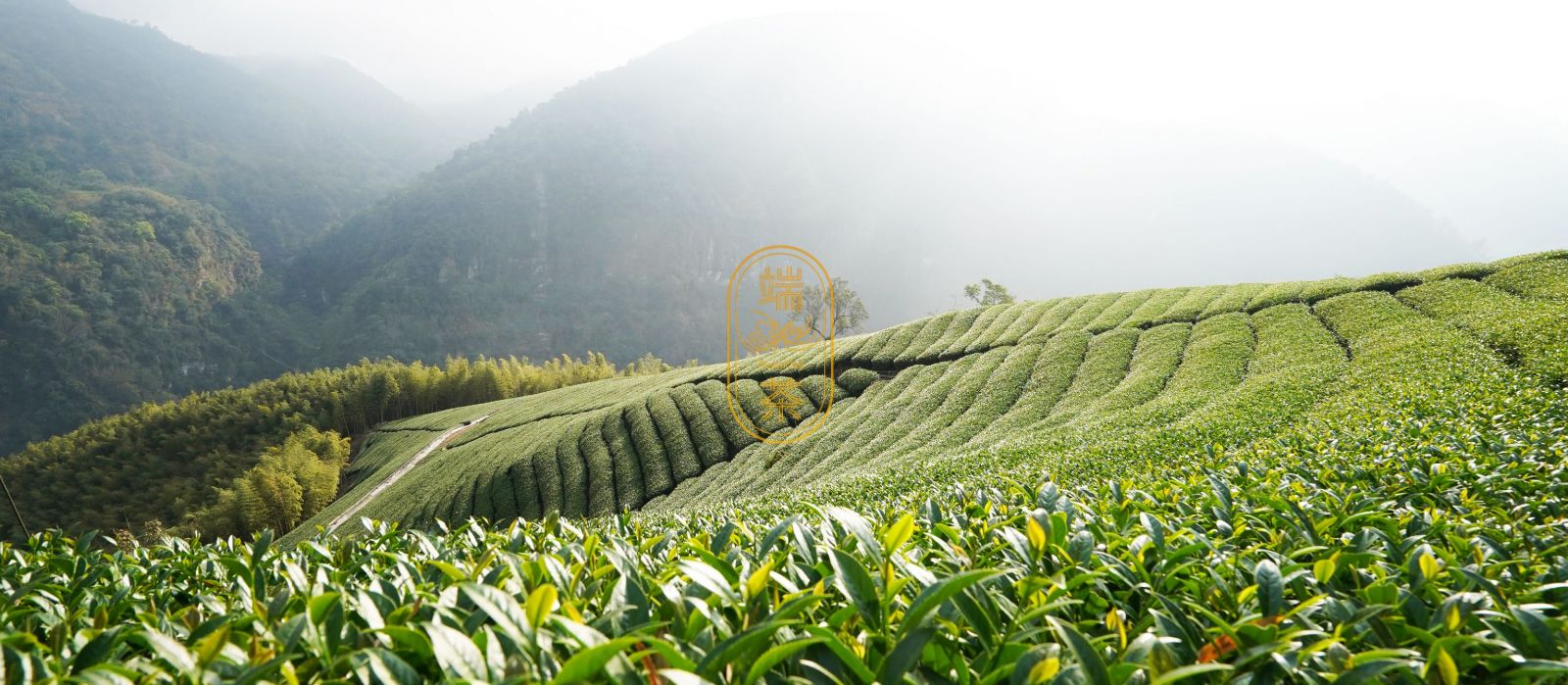
In the high mountains of central Taiwan, excellence is rarely a matter of ambition. Instead, it is a byproduct of a specific, localized form of endurance. Up here, where the air thins and the mists settle with a heavy, damp permanence, tea does not grow so much as it survives. The tea bushes of Nantou County do not yield to excess; they respond to the cold with a slow, concentrated thickening of the leaf. To understand this is to understand the quiet logic of DUAN CHA.
The brand was not conceived as a commercial engine to be scaled, but as a vessel for collection—an ongoing effort to gather what is worthy of being kept.
To visit Nantou is to enter a landscape defined not by spectacle, but by continuity. In Lugu Township, the birthplace of Dong-ding Oolong, tea is practiced as a daily liturgy rather than performed for the visitor. For more than forty years, the team at DUAN CHA has lived within this rhythm. Most are locals; many are the children of the gardens they now oversee.
In Lugu, knowledge is not archived in manuals; it is held in the hands. This became evident when DUAN CHA was awarded the Grand Prize at the Lugu Township Farmers Association Winter Tea Competition—the largest and arguably most grueling oolong assessment in the world. The win was not a result of novelty. It was the result of a collective, decades-long judgment: the inherited ability to know precisely when to apply the fire, when to wait, and, most crucially, when to do nothing at all.
The DUAN CHA collection is a cartography of Taiwan’s most demanding elevations. It is a network of long-term alliances—partnerships that resemble old friendships more than transactional supply chains.
In Lishan, the altitude acts as a filter, refining the tea into a liquid of startling clarity. In Shanlinxi, the persistent mist forces a slow growth that builds a profound, subterranean depth. Alishan, meanwhile, offers a meeting point for balance and fragrance. These relationships are built on shared observation. When a DUAN CHA master speaks with a grower, they are speaking a private language shaped by the same soil and the same unpredictable seasons.
In the modern tea trade, technology is often synonymous with automation. At DUAN CHA, however, technology is understood in its classical sense: techne, or craft. It is the human capacity for judgment. It is the decision to harvest two hours later to allow the dew to lift, or the restraint required to roast a batch over weeks rather than hours.
This expertise is passed hand to hand, a living lineage that resists the rigidity of doctrine. It is an understanding of microclimates that can only be earned by living where the tea is made. If the tea is the text, the makers are the grammarians, ensuring that the identity of the mountain is translated into the cup without loss of meaning.
While oolong is the backbone, the collection extends to TTES No.18 “Red Jade” black tea. This inclusion is not an expansion of the portfolio so much as a completion of the landscape. To present Taiwan’s tea culture as a single note would be a disservice; DUAN CHA presents it as a panorama—each variety collected for its own specific clarity and its own sense of place.
Ultimately, DUAN CHA carries a responsibility that is more archival than commercial. The finest teas do not ask to be spread thin across a global market. They ask to be understood. They require a collector who honors restraint over excess and who is willing to carry the weight of a season’s quiet commitment. Where these teas are gathered, DUAN CHA is born—again and again—season after season.


