


2021年09月08日
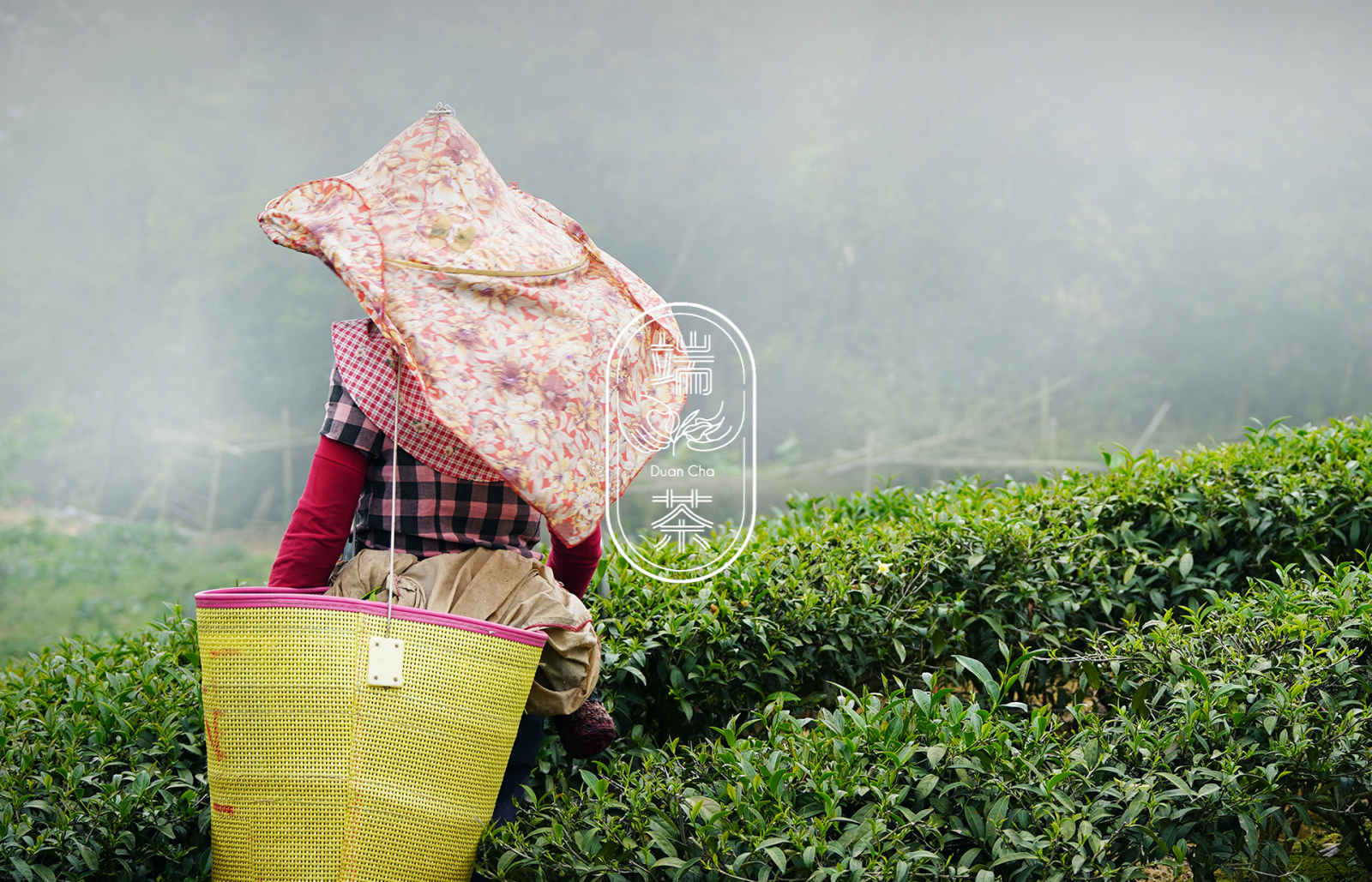
2021年的梨山春茶出現了一個很有意思的變化。開封第一週與第二週滋味完全不同。
第一週茶湯甜水,第二週出現略帶玉蘭花香,相當令人驚喜!風土水文構成了 臺灣高山茶 非常不一般的層次,我認為這就是臺灣茶為什麼又稱為「特色茶 Unique Tea」的原因;你很難在臺灣以外的地方找到飽含一方土、一方茶,又帶著風土水文的豐富。
我一直都認為「層次」是頂級高山茶最佳的詮釋,在談到有關高山茶的底韻、喉韻、香韻這篇文章中,其實講的就是「層次」。
有一些茶你喝進嘴巴裡,它只能到達嘴巴,再好一點,它會稍微停留在鼻腔,喝下去的時候,就好像白開水,它彷彿不存在任何味道一樣。
聽聞文學家梁實秋 家裡有一款秘制茶叫做「玉貴茶」,是前清時期,一個旗人叫做玉貴的,酷愛喝茶,所以這位玉貴就把 龍井 和香片拼配在一起,使茶有了龍井的清甜,也有香片的濃香,看到這裡,我不禁想,頂級高山茶不需要這樣拼配,就能夠茶湯水甜、香氣馥郁,峰迴路轉,層次跌宕,回味再三。
嘴巴、鼻腔、喉嚨、胸腔,以至於呼吸之間,吐納茶香,頂級高山茶要做到「一氣呵成」,十萬八千個毛細孔,個個都沾染到了高山茶的靈氣,舒坦至極!
Li Shan oolong tea, in the spring of 2021, revealed a subtle and fascinating transformation. The flavor of the first week after opening the leaves was markedly different from that of the second week.
During the first week, the liquor was a delicate, flowing sweetness. By the second week, notes of magnolia began to appear, surprising in their elegance. These changes are not random; they emerge from the unique interplay of terroir and water that defines Taiwanese high-mountain tea. This is what gives Li Shan—and Taiwan’s high-mountain teas more broadly—their singular, almost literary depth. Outside of Taiwan, it is rare to encounter a tea so inseparable from its place, so fully expressive of soil, climate, and altitude.
The essence of Taiwanese high-mountain tea, I have long believed, is its layers. To discuss the underlying notes, the throat resonance, the aromatic undertones, is to discuss layering itself. Some teas barely reach the palate; some linger faintly in the nasal passages. Others—most common outside Taiwan—are like boiled water: they exist, but without depth or memory.
I recall reading that the literary figure Liang Shiqiu once spoke of a secret tea called Yu Gui Tea, crafted by a Manchu from the Qing dynasty named Yu Gui. He blended Longjing with jasmine tea, creating a brew that carried both the crisp sweetness of Longjing and the bold floral fragrance of jasmine. It was a careful, deliberate concoction, an early exercise in creating layered tea through human intervention.
But the Li Shan high-mountain tea needs no such artifices. It offers its own unfolding narrative: a sweetness that spreads across the tongue, aromas that curl and linger through the nose, resonances that settle in the throat and chest. Even the rhythm of breath carries the fragrance. To drink it is to feel every hair follicle, every pore, infused with the mountain’s vitality. The sensation is profound, intimate, and ineffably complete—a harmony written by altitude, mist, and patient craft.
This tea, in its layered complexity, reminds us that the finest creations are not always made; they are grown. Each sip carries the weight of place and time, a fleeting yet indelible trace of Li Shan itself, reaching from the first touch of liquid to the quiet exhalation that leaves its ghost in the chest. To taste it is to participate in that layering, to sense the mountain in every note, and to feel fully, simply, alive.


